|
|
|
States can block the Paramount-Warner deal
|
|
But thanks to some clever maneuvering, they are already running out of time. |
|
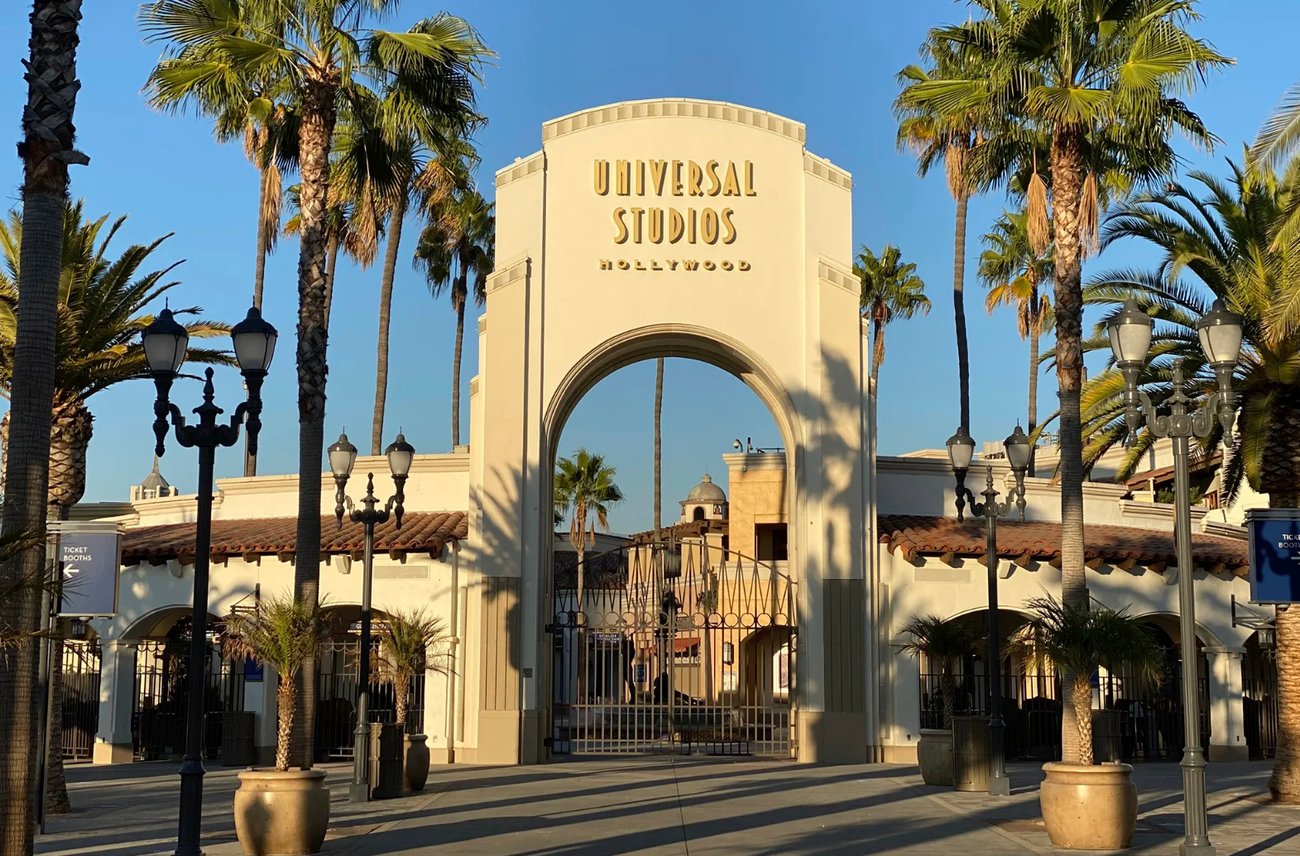
What started as a bidding war for Warner Bros. Discovery became an unconditional surrender Thursday. Netflix had a deal in place for a couple of months, but Paramount, under the direction of MAGA heir David Ellison, made a hostile takeover bid, and this week upped its offer from $30 to $31 a share for all of WBD, including its cable channels. The total purchase comes to $111 billion, and on Thursday the WBD board pronounced the offer superior to Netflix’s, giving the streamer four days to match it. Netflix, whose CEO was at the White House on Thursday (what was he told?), barely needed an hour, dropping its effort.
So what many see as a worst-case scenario is realized: the Ellison family wresting control of two major movie studios, CBS, HBO, CNN, and secondarily TikTok. There are certainly echoes of media-political consolidation as we see in dictatorships the world over. (By the way, Netflix will be fine: They get a $2.8 billion breakup fee for doing essentially nothing, and Paramount-Warner isn’t that big a competitor to their business.)
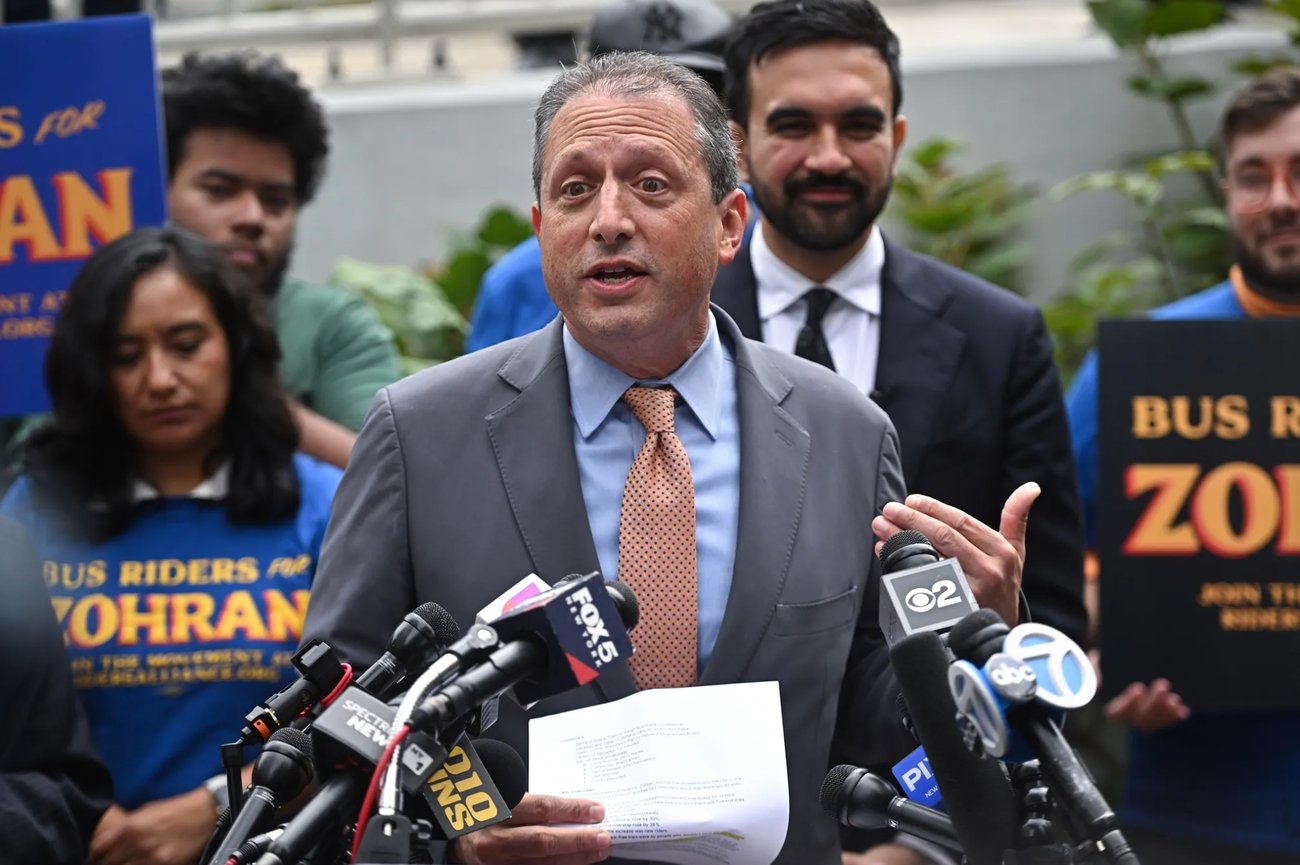
But by Thursday night, hours after this whirlwind set of announcements, California Attorney General Rob Bonta was out with this statement, sent to the Prospect and others: “Paramount/Warner Bros is not a done deal. These two Hollywood titans have not cleared regulatory scrutiny—the California Department of Justice has an open investigation, and we intend to be vigorous in our review.”
Going back to last Friday, Bonta had been saying that any Warner Bros. transaction “must receive a full and robust review, and California is taking a very close look.” Colorado AG Phil Weiser, who is running for governor, has also been outspoken; they and any other AG could team up on a challenge. Representatives from Paramount, including Ellison, visited the Democratic Attorneys General Association policy conference last week in San Francisco, so they are very aware that the states can use the Clayton Act to challenge mergers, no matter what the federal government does.
But they are in a race against Paramount’s savvy consultants, who are trying to speedrun the deal in a matter of weeks. They are led by Makan Delrahim, former head of the Justice Department Antitrust Division in Donald Trump’s first term, who has been at Ellison’s side for years. Paramount has maneuvered to deliver all necessary information to the Justice Department in advance of the merger agreement. He knows that DOJ will barely even look at that information before blessing a deal they want to see happen. The goal here is to get clearance by April, quickening the rate at which California and any other states would have to act.
The states could challenge the merger even after the feds bless it, but by then, Paramount and Warner Bros. would have likely commingled their assets, engaged in layoffs, and made it very difficult to untangle the merger, particularly for judges who are inherently conservative on these matters. The far preferable option would be for Bonta and company to file a lawsuit before Paramount and Warner Bros. can clinch a deal. That way, they can get a temporary injunction and the two studios would continue to operate as separate companies pending a trial, which would take several months to a year to complete.
To file a case that a judge would see as credible means assembling proper evidence. States don’t have the same resources as the federal government, and they often draft off DOJ and the Federal Trade Commission in antitrust cases rather than developing their own expertise. (There is some expertise available this time: Democratic AGs have tasked Rohit Chopra, former top CFPB and FTC official, with leading a consumer protection working group.)
|
|
|
|
|
It’s not unprecedented for states to challenge a merger without the federal government—Washington state blocked the Kroger-Albertsons merger in 2024 in a separate trial from the FTC, and states (unsuccessfully) challenged the Sprint merger with T-Mobile when the first Trump administration wouldn’t go after it. But they need to have documents or witness testimony, and they need to put it all together, with limited windows into Paramount and Warner Bros.’ business, within about a month.
There are absolutely reasons to challenge this merger, though they are not going to be the likely true allegation that Ellison will bias CNN. This consolidates five major studios down to four, continuing the trend from when Disney bought Fox. One of the key elements of the 2023 merger guidelines, which are still active, is that reducing the bargaining power of suppliers or workers would fit the description of lessening competition, in violation of the Clayton Act. Fewer studios would certainly weaken the bargaining power of producers, directors, screenwriters, and the like. (I’ll do a separate piece on this, but the way the deal is structured guarantees mass layoffs and lower output of movies and TV shows.)
A recent attempted merger between Simon & Schuster and Penguin Random House was blocked on precisely these grounds in 2022, with the Biden Justice Department arguing that authors would get smaller advances with fewer suitors. A California-led challenge can make this case. But they would need to collect stories from people who have pitched in Hollywood and seen bidding wars for their services and who would be harmed by this deal, and fast. (The website Block the Merger is already doing this work.)
(They may get some help from the need for other countries to clear the deal, including the European Union—CNN International operates all over the world. That might delay but not derail the merger, to my understanding. But time is what the state AGs need.)
There are other reasons this merger would be awful. It likely spells doom for most movie theaters, which couldn’t run a business with substantially less content. Streaming would be consolidated, even if not as much as in a Netflix tie-up, and prices would go up. Film libraries would be locked up by Paramount-Warner, giving them an advantage. And the ideological concerns are obvious—maybe not a justiciable issue but one with a ton of political importance.
Finally, this would be a terrible deal from a business perspective. Paramount is making a $111 billion bet that hinges largely on a revival of cable television. It’d be like investing in buggy-whip futures today. Paramount just released its quarterly revenue numbers, and while streaming revenue is up, TV media revenue was once again down. The Comedy Central/MTV/Nickelodeon family of networks will now be joined by TNT, TBS, Discovery, and others, creating a giant group of zombies with no hope of profitability in an age of cord-cutting. And Ellison has said that he expects growth in that segment! It’s more likely a huge lead weight that combined with the massive debt undertaken in this deal will implode the company.
I recognize that economic viability isn’t likely Ellison’s goal, and shaping the media is (maybe he can talk his creditors into that, maybe not). But this deal presages the death of Hollywood as a cultural and social force, another ruined industry at the mercy of monopolists and financiers, something that practically all of us care about given the human desire for storytelling. A lifeline exists outside of Trump’s grasp to rethink this looming disaster, and eventually move us to a better Hollywood than we have now. But the state AGs are going to have to act fast.
|
|
|
|
|
|
|
David Dayen
Executive Editor |
|
|
|
|
|
|
|
David Dayen
Executive Editor |
|
|
|
|
|
|
 |
|
The American Prospect, Inc., 1225 I Street NW, Suite 600, Washington, DC 20005, United States
Copyright (c) 2026 The American Prospect. All rights reserved.
To manage your newsletter preferences, use our preference management page.
To unsubscribe from all American Prospect emails, including newsletters, follow this link to unsubscribe. |
|
|
|
|