|
President Trump’s statement last week that he wants the government to take a large stake in Spirit Airlines has been met with richly deserved scorn. Spirit, a so-called no-frills airline, has already gone bankrupt twice.
“Who could have imagined that the U.S. government would deem a budget airline too big to fail?” The Wall Street Journal editorialized. “Is this the revival of the Trump Shuttle, circa 1989?”
Under the proposed deal floated last Wednesday, the U.S. government would lend Spirit up to $500 million, receiving in return warrants to take an equity stake of up to 90 percent. Later in the week, the White House suggested invoking the Defense Production Act to compel the sale.
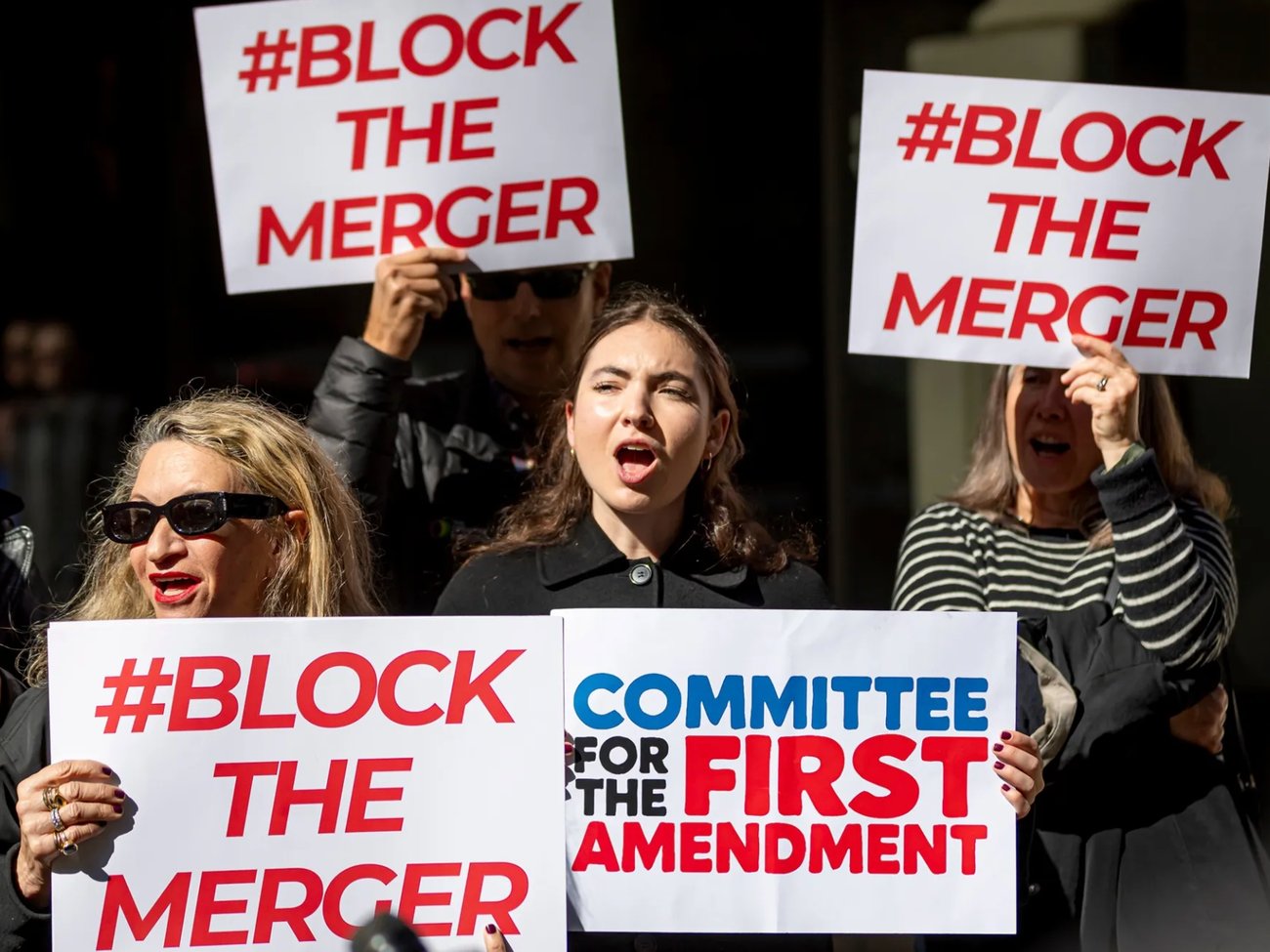
Trump’s motives are murky. He first spoke of saving the jobs of Spirit’s 14,000 employees. He also relished showing up Joe Biden, whose Justice Department blocked a proposed Spirit merger with JetBlue (which is also struggling—the two might well have crashed together).
Now, a group of other budget airlines, inspired by Trump’s interest in Spirit, has proposed a joint $2.5 billion bailout. The reason for the common distress is Trump’s Iran war, which has raised the cost of aviation fuel, increased ticket prices, and depressed bookings.
The proposed Spirit bailout is part of a pattern of Trump cutting deals with corporations in need of either cash or government regulatory approval, in exchange for a share of government ownership or even Trump personal ownership. Trump has carried over his habits of real estate wheeler-dealer into government.
In most of these deals, there is the usual whiff of Trump corruption or extortion. Either Trump is finding a way to cash in personally, or doing a favor for a crony, or punishing an enemy, or incurring an IOU that he can cash in for either political support or money.
As part of Trump’s deal to allow Japan-based Nippon Steel to buy U.S. Steel, Trump was granted a so-called golden share in U.S. Steel, allowing him to dictate board decisions and veto or approve investment plans. The government did not get the golden share. Trump did personally. The deal also blocked the proposed purchase of U.S. Steel by Cleveland-Cliffs, a steelmaker whose union workers are represented by the Steelworkers, an anti-Trump union.
Last July, Trump demanded and got a deal with Nvidia and AMD to provide the Trump administration with revenue from 15 percent of H20 and MI308 chip sales to China. Both are used in AI. In exchange, Trump authorized export licenses. This was criticized as both a shakedown and a favor, violating the general U.S. policy of restricting sale to China of advanced semiconductors.
In August, Intel agreed to let the government buy a 10 percent equity share after a rocky period in which Intel got $8.5 billion in grants and $11 billion in loans under the CHIPS and Science Act, plus tax credits, with the expectation that the company would build plants in Arizona, New Mexico, Ohio, and Oregon. But instead, Intel, facing declining demand, ordered layoffs.
|