|
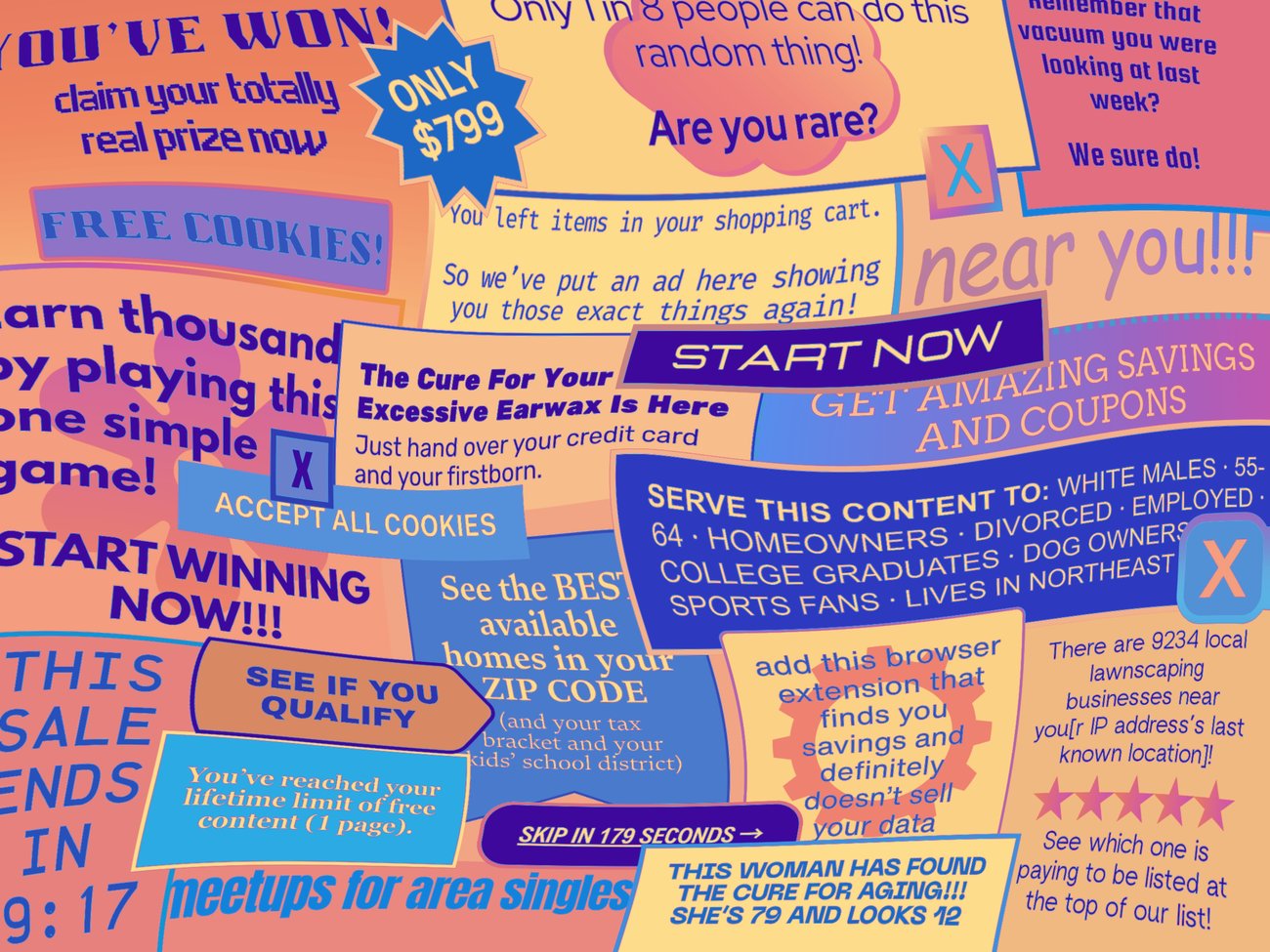
Today, The American Prospect removed all programmatic advertising from our website. We think you and your personal data deserve more respect than we were providing. You can read more about our thinking here: Why We're Removing Programmatic Ads. If you want to support the Prospect during our spring membership drive, please consider becoming a monthly donor and join thousands of others who support a paywall- and programmatic advertising-free Prospect. |
|
|
|
|
|
|
Trump’s Death Panel |
|
The proposed cuts in several forms of health care spending are a real version of the fake “death panels” that the right attributed to Obama’s Affordable Care Act. |
|
Last week, Trump sent Congress a budget that requests an unprecedented $1.5 trillion increase for the military, partly offset by a $15.8 billion cut in various forms of health care spending. This comes on top of a previous nearly $1 trillion cut to Medicaid enacted as part of Trump’s One Big Beautiful Bill Act last year.
Trump came right out and made the connection. Speaking at a private White House Easter luncheon that was posted to YouTube and then deleted, Trump actually said, “It’s not possible for us to take care of day care, Medicaid, Medicare, all these individual things. They can do it on a state basis. You can’t do it on a federal. We have to take care of one thing: military protection.”
This clip should be played over and over again, in TV spots now and in the fall. It’s not guns versus butter, but guns versus your health. Trump’s death panel is OMB, under Russell Vought.
The Affordable Care Act provided health coverage to 44 million more Americans as of the end of 2024, some 24 million via subsidized or negotiated plans purchased from private insurers and another 20 million covered thanks to the ACA’s Medicaid expansion.
During COVID, President Joe Biden capped the costs of ACA policies relative to income, making it more affordable. Trump has cut all of this, leading to higher out-of-pocket costs and declining coverage.
The bogus death panel claim arose in the context of Republican efforts to defeat the original ACA when it came before Congress. It was Sarah Palin, the Alaska governor who was John McCain’s running mate in 2008, who first made the claim in 2009 that under the ACA, “the sick, the elderly, and the disabled” would be hauled before “Obama’s death panels,” so that “bureaucrats can decide, based on a subjective judgment of their ‘level of productivity in society,’ whether they are worthy of health care.”
|
|
|
|
|
The claim was so preposterous that the Poynter Institute gave the claim its Lie of the Year Award. The origin of this big lie was apparently in the provision that allowed insurance policies under the ACA to pay for counseling to help patients create advance directives or living wills, so that the patient’s own wishes would be honored rather than leaving decisions to hospital staff if a patient was unconscious with little hope of recovery. As a boost to patient autonomy, it was the opposite of a death panel.
Despite enactment of the ACA, the continued deterioration of America’s commercial-based health system has caused U.S. life expectancy to lag far behind the rest of the world.
In 2025, the U.S. ranked 46th, with life expectancy at birth of 79.398, just below Cuba, Estonia, and Panama, and just above Croatia and Albania—all nations with far lower per capita GDP but much more attention to public health.
In addition, the U.S. leads the west in so-called deaths of despair: deaths from drugs, alcohol, or suicide. Research by Anne Case and Angus Deaton, who was awarded the Nobel in economics in 2015, on deaths of despair found that such deaths in midlife increased in the U.S. between 1990 and 2017 from about 34 to 82 per 100,000 of population, while they fell in every other major Western country. The combination of the Trump economy and Trump’s cuts in health care spending exacerbate this trend.
Trump’s cuts to child care also have health consequences. Research has long demonstrated that toxic stress in young children left to fend for themselves worsens health outcomes. High quality pre-K and, yes, day care is one of the best ways of alleviating severe stress in kids.
The only good news is that Trump has tried to slash spending for the Department of Health and Human Services in previous budgets and the Republican-led Congress has rejected much of it. Even the Republicans are noticing Trump’s toxicity.
Yet the cuts to the ACA subsidies and to Medicaid are all too real. It would be hard to portray a more vivid depiction of the costs of Trump’s failing Iran war.
|
|
|
|
|
|
|
Robert Kuttner
Co-Editor, Co-Founder |
|
|
|
|
|
|
|
Robert Kuttner
Co-Editor, Co-Founder |
|
|
|
|
|
|
|